
Nexa Blog
Stop Chasing Bad Leads: How to Qualify LinkedIn Prospects Before You Send a Single DM
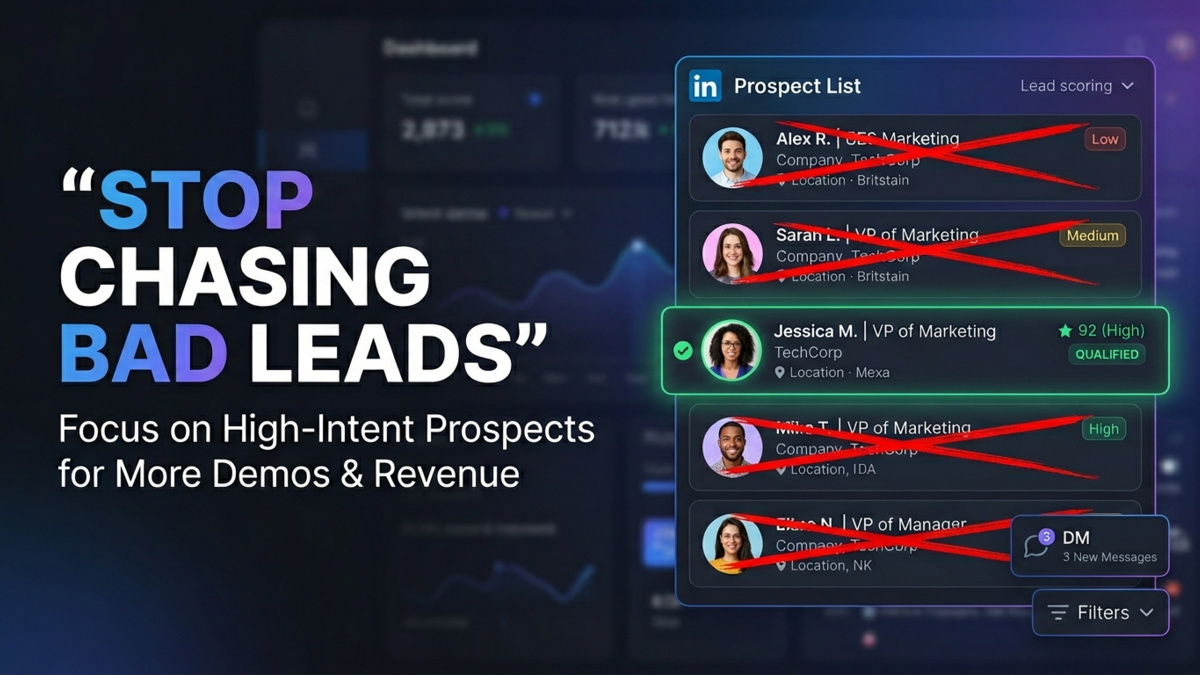
Stop chasing volume. Start chasing fit.
A lot of people think LinkedIn lead generation is a numbers game.
It is not.
It is a filtering game.
If you are messaging random founders, marketers, or agencies with no signal, no fit, and no reason to care, you are not doing lead generation.
You are guessing.
“This is one of the most common mistakes in LinkedIn lead generation”
That is why so many inboxes stay quiet.
The problem is usually not the message first. The problem is the lead list.
What makes a LinkedIn lead “bad”?
Bad leads look active but are weak in reality.
They may have:
- The wrong role
- No buying authority
- No visible pain
- No activity
- No urgency
These are the people who never reply.
“If you're just starting with LinkedIn lead generation”
A bad lead is not someone who didn’t reply.
A bad lead is someone you should never have contacted.
The qualification framework that actually works
Before sending a DM, filter leads using 4 signals:
1) Fit
Is this person even your buyer?
Check role, company, industry.
“defining your ideal customer profile”
If the fit is wrong, nothing else matters.
2) Pain
No pain = no deal.
Look for:
- Complaints about lead gen
- Hiring sales roles
- Talking about pipeline
If you don’t see pain, you’re guessing.
3) Intent
Intent tells you who is ready now.
Look for:
- Posting activity
- Launches
- Hiring
- Growth signals
People in motion reply faster.
4) Accessibility
Even good leads fail if you can’t reach them.
If they don’t engage, don’t reply, or are too far removed → skip.
A simple scoring system for LinkedIn leads
Score each:
- Fit
- Pain
- Intent
- Accessibility
Out of 2 each → Total = 8
- 0–3 → Ignore
- 4–5 → Low priority
- 6–7 → Message
- 8 → High priority
“build a predictable lead generation system”
This is where consistency comes from.
What a qualified lead looks like
A strong lead:
- Founder of B2B SaaS
- Posting about growth
- Hiring sales
- Recently launched something
A weak lead:
- No activity
- No clear problem
- No business relevance
"Once you have qualified leads, use better messaging”
Messaging works after qualification.
Why qualification beats copywriting
People obsess over:
- Hooks
- Templates
- Clever openers
But here’s the truth:
A weak lead needs a miracle.
A strong lead needs clarity.
“tools that help you find better leads instead of sending more messages”
Your list does most of the work.
Not your copy.
How Nexa fits in
Manual qualification is slow.
Scrolling profiles. Guessing signals. Wasting time.
Nexa helps you:
- Find better leads
- Filter based on real signals
- Focus on high-intent prospects
“explore better LinkedIn lead generation tools”
Because the real bottleneck is not sending DMs.
It is knowing who deserves one.
The biggest mistake people make
They confuse activity with quality.
Just because someone is active doesn’t mean they are a buyer.
Just because someone has a title doesn’t mean they have pain.
You need proof.
Not hope.
What to do next
Before outreach:
- Define ICP
- Score leads
- Look for pain
- Ignore weak prospects
- Focus only on buyers
“turn this into a full system”
That is how you move from random outreach → predictable pipeline.
Related articles
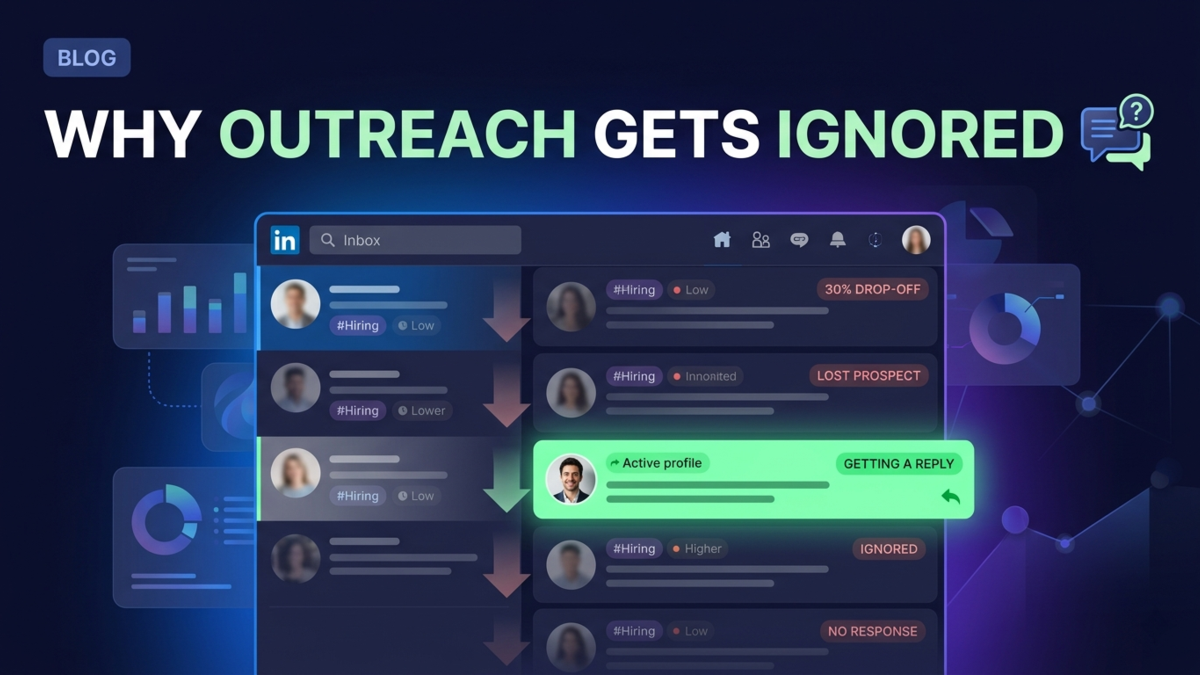
Why Your LinkedIn Outreach Gets Ignored (30% Bounce Rate Explained + Fix)
If your LinkedIn outreach feels like it’s getting ignored, you’re not alone. What looks like a “30% bounce rate” is actually a deeper problem with targeting, timing, and messaging. Here’s how to fix it.
Read more →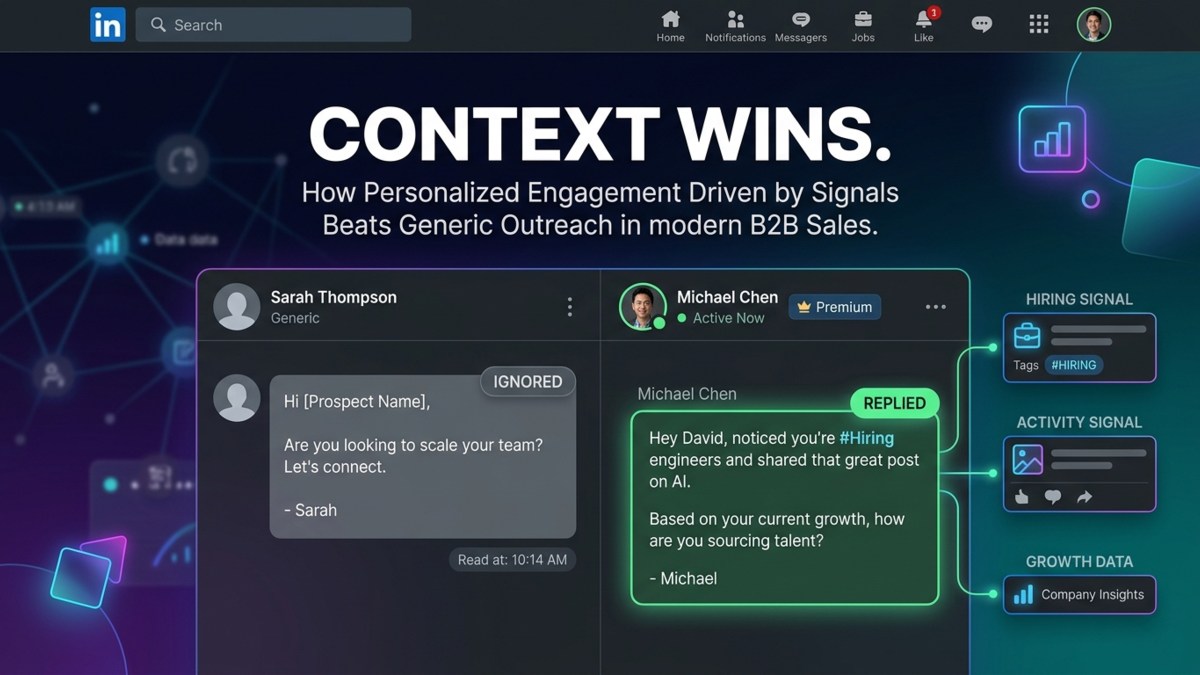
Why Your LinkedIn Messages Get Ignored (And How to Personalize Them Using Real Signals)
Generic LinkedIn messages fail because they ignore context. This guide shows you how to use real signals like hiring, posts, and activity to write personalized messages that actually get replies.
Read more →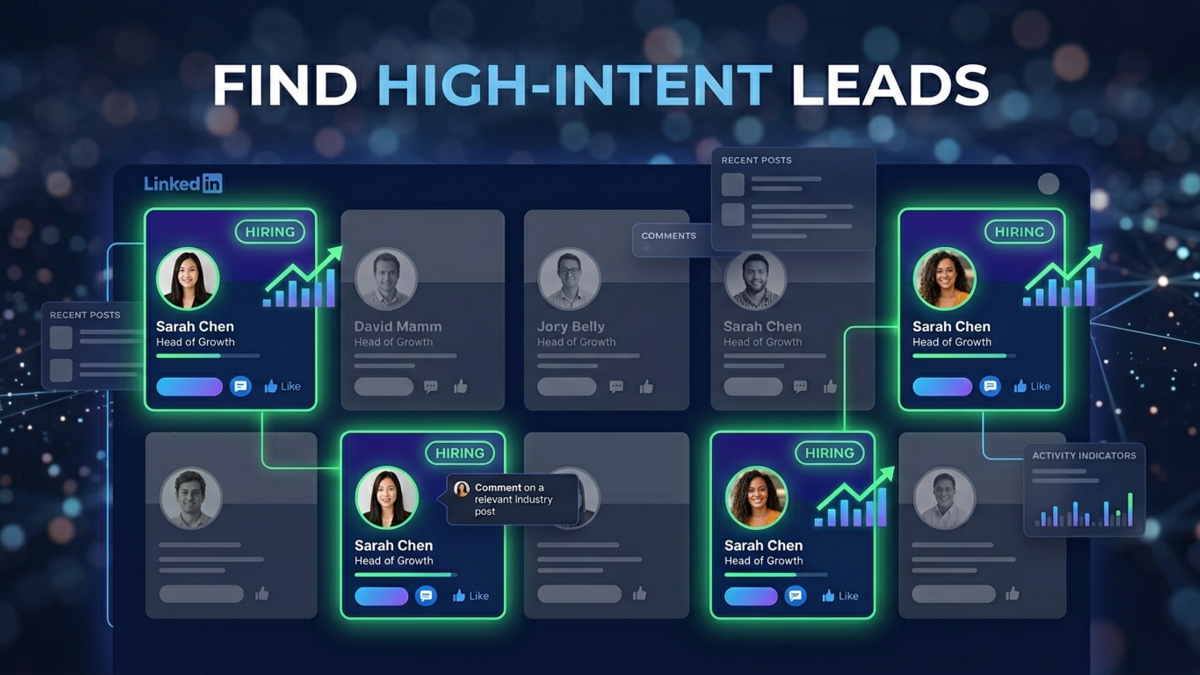
How to Find High-Intent Leads on LinkedIn (The Signals Everyone Else Misses)
Most people scrape random LinkedIn profiles and hope something converts. This guide shows you how to find high-intent leads using real signals like hiring, posting, and growth activity—so you only reach out to people ready to buy.
Read more →
5 LinkedIn Message Templates That Actually Get Replies (With Examples)
Struggling to get replies on LinkedIn? These 5 proven message templates will help you start conversations and generate leads.
Read more →
7 LinkedIn Lead Generation Mistakes That Are Killing Your Results
Struggling to get leads from LinkedIn? These 7 common mistakes are silently killing your results and how to fix them.
Read more →